Variable Stars South Banner

Techniques used in variable star research

Participants in the VSS community undertake research using a variety of techniques. You can learn more about these techniques below.

Visual observing

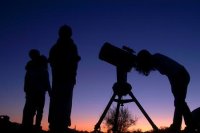
Visual Observers
Many variable star observers start their journey by visually observing variables that can be viewed through binoculars or small telescopes. There is a long history of serious research done in this manner, and it requires no further equipment such as cameras, filters and computers. In this regard it is ideal for beginners; yet it is also the true passion of many variable star observers around the world.

CCD photometry

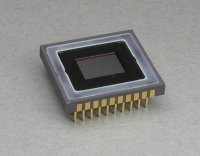
CCD Sensor
CCD cameras have long been used in the production of “pretty pictures” – the wonderful astrophotographs that we see in magazines, books and websites. However, CCD cameras also have a long history of scientific study, and with the plethora of commercial and free photometry software, they have become the mainstay of amateur research activities.

DSLR photometry

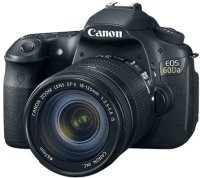
DSLR Photometry
The emergence of Digital Single Lens Reflex (DSLR) cameras as cost effective astronomical imaging platforms has been underway for some years now. However, it has become clear that these cameras can be used for scientific work such as photometry in addition to their more traditional role in taking “pretty pictures”. participants of VSS are actively involved in exploring their use in this away and have identified key areas of research in which they are more suitable than traditional CCD cameras.

Spectroscopy

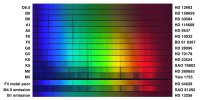
Spectrum
Spectroscopy is the analysis of electromagnetic radiation received from astronomical objects and is generally presented as a graph of radiation amplitude versus wavelength. Amateur spectroscopy is presently restricted to the visual range, for cost and technical reasons, but that is hardly a limitation as the interested observer will find no end of interesting objects and events to observe.

Video photometry

Video Photometry
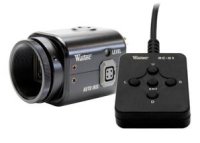
Video cameras have been traditionally used for photometry of lunar and asteroidal occultations and mutual events of planet satellites. Since recently they are also being used for identifying the times of minima of short periodic variable stars. Those cameras provide a cost-effective option for variable star research as well as an opportunity for typical occultation observers to also contribute to variable stars science.

Getting Started

Whether you're new to variable star observing or looking to refine your method, these resources will help you choose the right path and build confidence.

Start here
  • 1 Read the guides below
  • 2 Join a project that fits your interest
  • 3 Reach out for mentoring support
VSS Logo
Find a mentor

Personal guidance

Answer a few simple questions and we'll get in touch to help you begin your observing journey.

Contact us
VSS Logo
Current projects

Join the community

Explore the active observing programmes available through VSS and choose one that matches your interests.

View projects
VSS Logo
DSLR tutorial

Step-by-step guidance

A beginner-friendly walkthrough designed to help you understand DSLR photometry and observing workflows.

Open tutorial

AAVSO logo
AAVSO tutorials

Beginner-friendly lessons

Learn the fundamentals of variable star science through practical tutorials created for first-time observers.

Visit AAVSO
AAVSO logo
AAVSO manuals

Reference guides

Browse observing manuals covering a range of techniques, equipment, and best-practice recommendations.

Read manuals

YouTube logo
AAVSO videos

Visual learning

Watch short instructional videos that explain concepts, tools, and observing methods in a clear way.

Watch videos
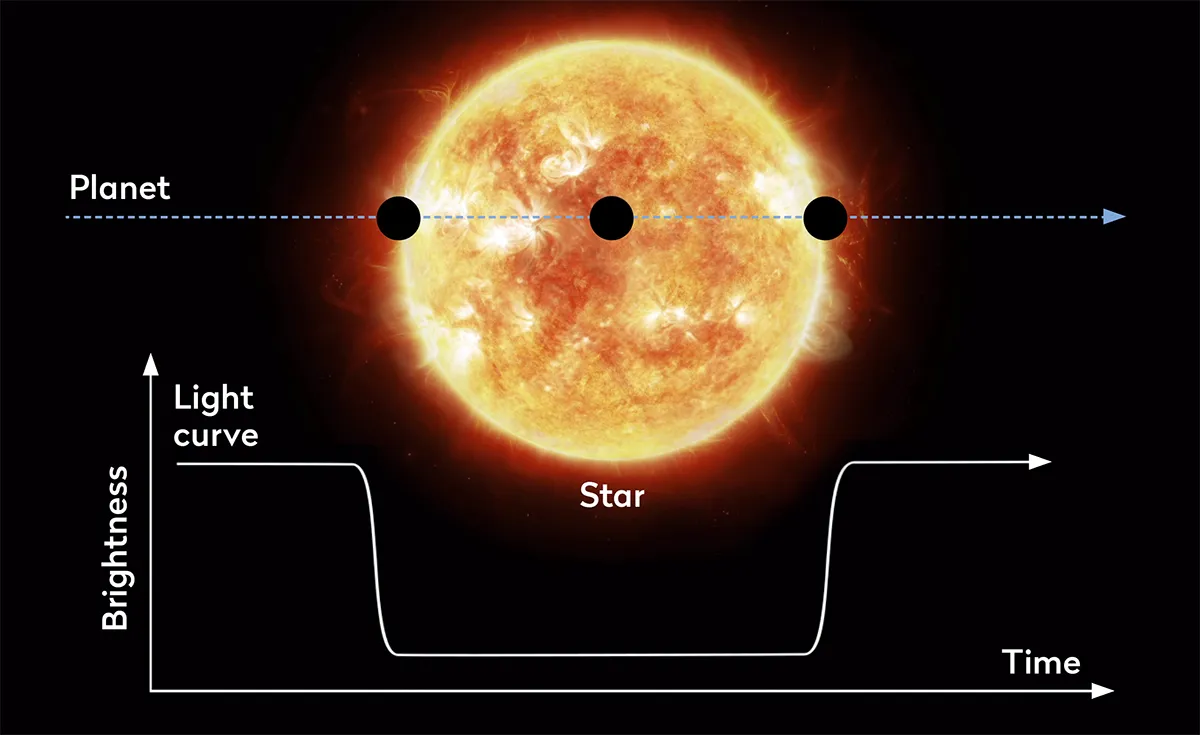
Exoplanet Light Curve
Exoplanet Tutorials

Online Tutorial

Two very important tutorials on exoplanet observing by Bruce Gary.

Learn More
© 2026 Variable Stars South.